

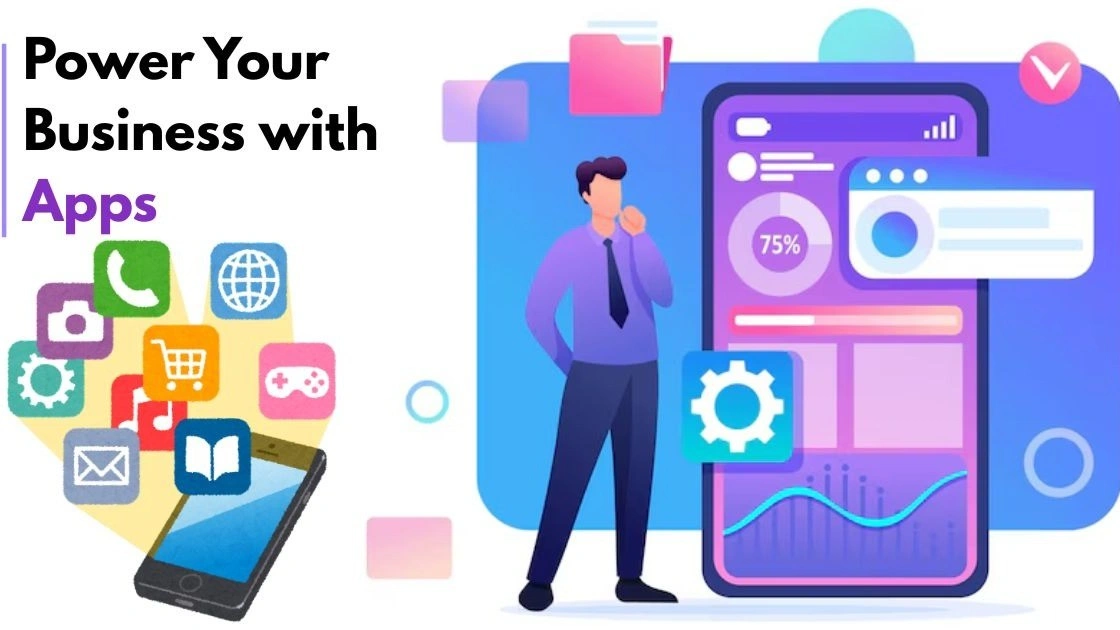
The Shift Toward Mobile-First Businesses
In 2026, businesses are no longer competing only on products or pricing. Instead, they are competing on convenience, accessibility, and user experience. Customers expect everything to be available instantly on their smartphones.
If your business does not offer a mobile app, you risk losing customers to competitors who provide faster and more personalized digital experiences. Therefore, investing in a mobile app is no longer a luxury. It is a strategic necessity for growth and long-term success.
What is a Mobile App and Why It Matters
A mobile app is a dedicated platform that allows businesses to connect directly with customers through their smartphones. Unlike websites, apps provide a more personalized, faster, and seamless experience.
Key features of a mobile app include:
- Instant access to services
- Personalized user experience
- Push notifications
- Offline functionality
As a result, businesses can build stronger relationships with their customers while improving engagement and retention.
8 Reasons Your Business Needs a Mobile App in 2026
1. Enhances Customer Engagement
Mobile apps allow direct communication with users. Unlike emails or ads, apps keep your business within reach at all times.
You can:
- Send push notifications
- Offer personalized content
- Provide real-time updates
Consequently, customers stay connected and engaged with your brand.
2. Improves Customer Experience
A mobile app offers a smoother and faster experience compared to websites.
Benefits include:
- Easy navigation
- Faster loading times
- Simplified user journeys
Therefore, customers can interact with your business without frustration, leading to higher satisfaction.
3. Boosts Brand Visibility and Recognition
Every time a user unlocks their phone, your app icon is visible. This constant presence strengthens brand recall.
In addition:
- Apps create a premium brand image
- Consistent design builds trust
- Frequent usage increases familiarity
As a result, your brand stays top of mind for customers.
4. Increases Sales and Revenue
Mobile apps are powerful sales tools. They make purchasing easier and faster.
You can:
- Enable one-click purchases
- Offer exclusive deals
- Use in-app promotions
Therefore, customers are more likely to complete transactions, increasing overall revenue.
5. Provides Valuable Customer Insights
Mobile apps allow businesses to collect and analyze user data.
This includes:
- User behavior
- Purchase patterns
- Preferences
With this data, businesses can make smarter decisions and improve their offerings.
6. Strengthens Customer Loyalty
Loyal customers are the foundation of long-term success. A mobile app helps build loyalty through consistent engagement.
You can:
- Offer loyalty programs
- Provide rewards and discounts
- Deliver personalized experiences
As a result, customers are more likely to return and recommend your business.
7. Gives You a Competitive Advantage
Many businesses still rely only on websites. Having a mobile app sets you apart.
Advantages include:
- Better user experience
- Faster service delivery
- Stronger customer connection
Therefore, you gain an edge in a crowded market.
8. Supports Scalable Business Growth
As your business grows, your mobile app can evolve with it.
You can:
- Add new features
- Integrate advanced technologies
- Expand into new markets
This scalability ensures your business stays relevant and competitive in the long run.
Real-World Use Cases
E-Commerce Businesses
Apps simplify shopping experiences and increase repeat purchases through personalized offers.
Service-Based Companies
Businesses use apps for bookings, customer support, and service tracking.
Startups
Startups leverage mobile apps to quickly reach and engage their target audience.
Enterprises
Large companies use apps to streamline operations and improve customer interactions.
Why Businesses Need Professional Mobile App Development
Developing a successful mobile app requires more than coding. It involves strategy, design, and user experience optimization.
A professionally built app ensures:
- High performance and reliability
- Secure data handling
- Seamless user experience
- Scalable architecture
Without professional development, businesses risk creating apps that fail to deliver results.
Conclusion: Stay Ahead with a Mobile-First Strategy
In 2026, mobile apps are essential for businesses that want to grow, compete, and succeed. They provide better customer experiences, increase engagement, and drive revenue.
If your goal is to stay relevant and future-ready, investing in a mobile app is a smart and necessary step. The sooner you adopt a mobile-first approach, the faster your business can scale and thrive.